Right now in May 2026, health experts are still using BMI as a quick screening tool, but the conversation has evolved. With new research on body composition, muscle mass, and metabolic health, knowing your BMI is only the starting point — understanding what that number actually means for you can be a game-changer for your health goals.
BMI (Body Mass Index) is a simple calculation that uses your height and weight to estimate body fat. It’s not perfect, but it’s free, fast, and widely used by doctors, insurance companies, and fitness apps.
In this guide, you’ll learn:
- Exactly how BMI is calculated (with the official formula)
- What the 2026 BMI categories really mean
- How to use our free BMI Calculator
- Three real-life 2026 scenarios (athlete, average adult, and someone with muscle)
- The limitations of BMI (and when you should worry)
- Pro tips and common mistakes
Let’s break it down so you can interpret your results with confidence.
What Is BMI and Why Does It Still Matter in 2026?
BMI is a screening tool created in the 1830s that estimates body fat based on height and weight. It’s not a direct measure of body fat like a DEXA scan or calipers, but it correlates well with health risks for most people.
Doctors use it to quickly flag potential risks for:
- Type 2 diabetes
- Heart disease
- High blood pressure
- Certain cancers
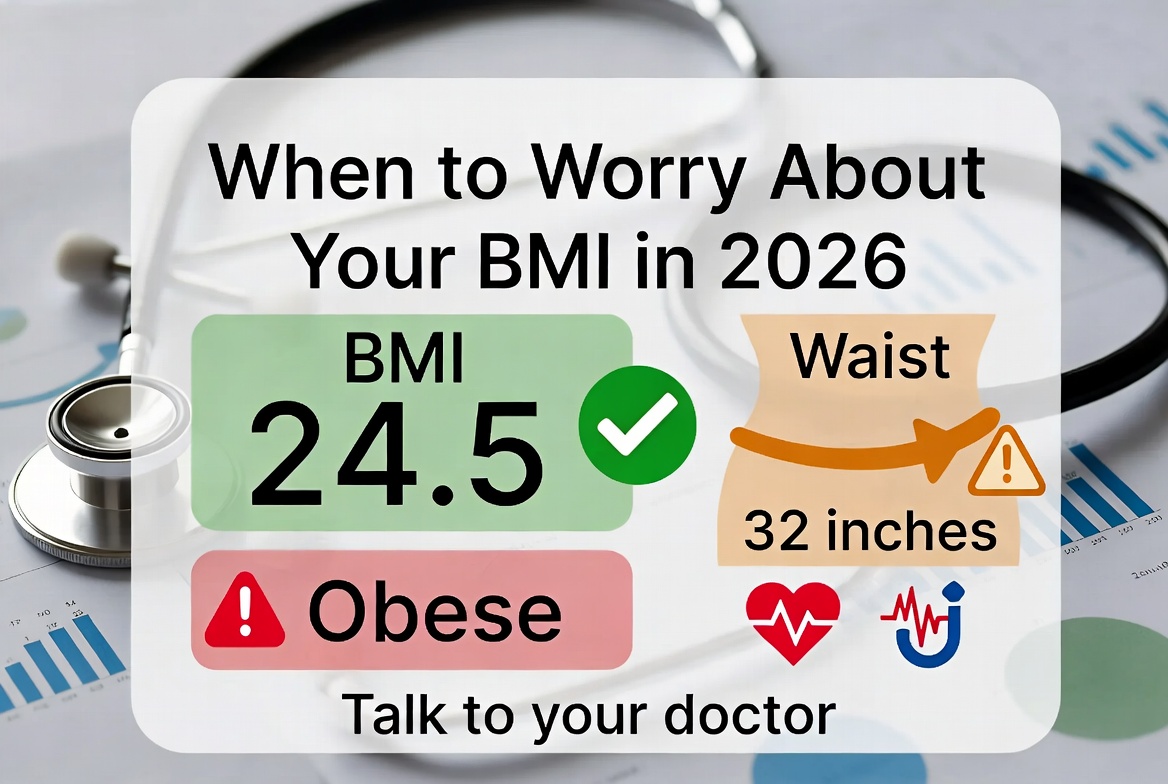
However, 2026 guidelines emphasize that BMI should never be used in isolation — especially for athletes, older adults, or people with high muscle mass.
The Official BMI Formula Explained
The formula used by every BMI calculator (including ours) is:
BMI=height (m)2weight (kg)
Or, for those using imperial units:
BMI=height (inches)2weight (lbs)×703
2026 Example: A 5'9" (175 cm) person weighing 170 lbs (77 kg) has a BMI of ≈ 25.1
That puts them in the “Overweight” category — but if they’re muscular, it may not be a health concern at all.
Try It Yourself – Free BMI Calculator 2026
Ready to calculate your own BMI?
(Embed your BMI Calculator tool here – https://keytext.net/health/bmi-calculator/)
How to use it in under 20 seconds:
- Enter your height (cm or feet/inches)
- Enter your current weight (kg or lbs)
- Select your age and gender (optional for more accurate interpretation)
- Hit Calculate
The tool instantly shows your BMI, category, and a simple health interpretation.
3 Real 2026 Scenarios: What Your BMI Number Really Means
1. Average Adult (Office Worker)
- Height: 5'7" | Weight: 165 lbs
- BMI: 25.9 (Overweight)
- Real meaning: Moderate increased risk for metabolic issues if waist circumference is also high. Time to focus on sustainable habits rather than crash diets.
2. Fitness Enthusiast / Athlete
- Height: 6'0" | Weight: 215 lbs (lots of muscle)
- BMI: 29.1 (Overweight / near Obese)
- Real meaning: This person is likely very healthy with low body fat. BMI overestimates risk here — body composition matters more.
3. Someone Concerned About Health
- Height: 5'4" | Weight: 185 lbs
- BMI: 31.8 (Obese)
- Real meaning: Higher risk category. Combined with other factors (blood pressure, cholesterol, family history), this is a signal to talk to a doctor and make changes.
Understanding the Official 2026 BMI Categories
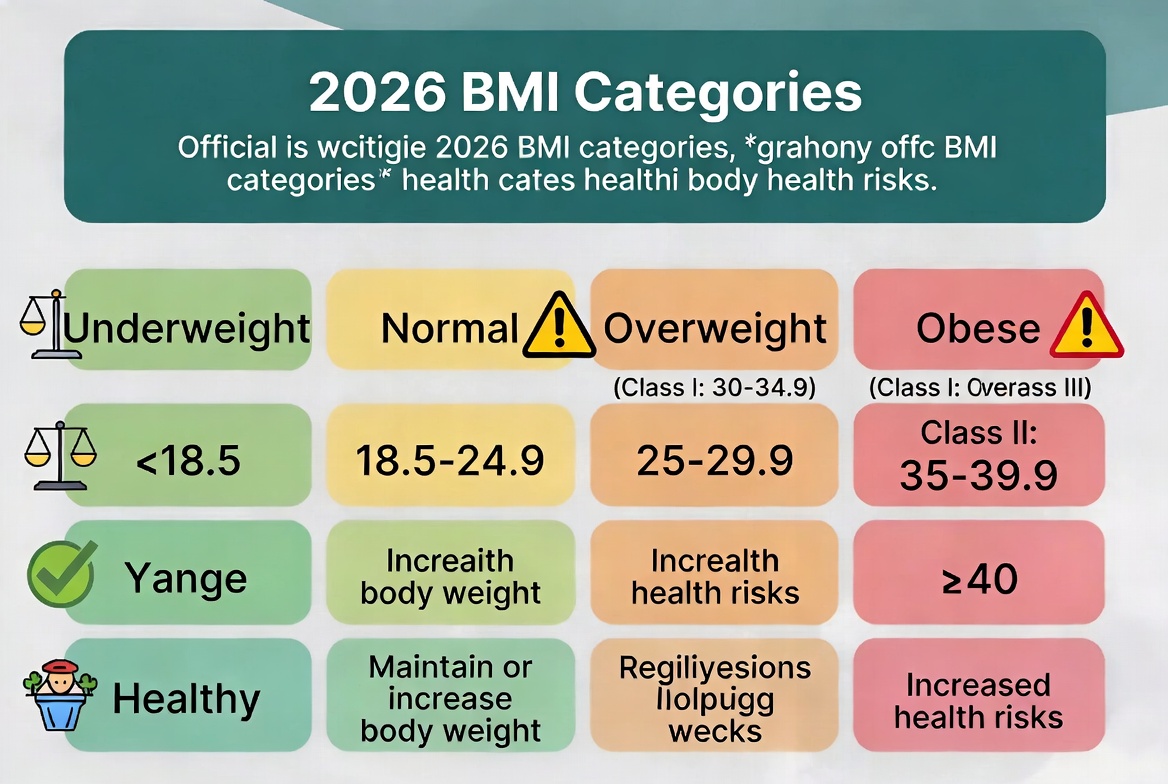
| BMI Range | Category | Health Interpretation (2026) |
|---|---|---|
| Below 18.5 | Underweight | May indicate nutrient deficiency or other issues |
| 18.5 – 24.9 | Normal / Healthy | Lowest risk for most weight-related conditions |
| 25.0 – 29.9 | Overweight | Increased risk — lifestyle changes recommended |
| 30.0 – 34.9 | Obese Class I | Moderate to high risk |
| 35.0 – 39.9 | Obese Class II | High risk |
| 40.0+ | Obese Class III | Very high risk — medical attention advised |
6 Smart Ways to Use Your BMI Results in 2026
- Track trends over time — one number doesn’t tell the full story.
- Combine with waist measurement (under 35" for women / 40" for men is a better indicator).
- Focus on body composition — muscle is heavier than fat.
- Use it as a starting point, not the final verdict.
- Set realistic goals — aim for 1–2 lbs per week loss.
- Consult a professional if your BMI is 30+ or if you have symptoms.
4 Common Mistakes People Make with BMI
- Taking the number too literally (especially athletes and bodybuilders)
- Ignoring age, ethnicity, and muscle mass
- Using it to self-diagnose health problems
- Obsessing over small changes instead of the overall lifestyle
Frequently Asked Questions About BMI in 2026
Is BMI still accurate in 2026? It’s a good screening tool, but not perfect. Newer metrics, such as the Body Roundness Index or visceral fat scans, are gaining popularity.
Why does the same BMI feel different for men and women? Women naturally carry more essential fat. Our calculator adjusts its interpretation slightly by gender and age.
What if my BMI is high but I feel healthy? See a doctor for blood work. “Metabolically healthy obesity” exists but remains riskier in the long term.
Can children use this calculator? Yes, but pediatric BMI uses different percentiles. We recommend the CDC growth charts for kids.
How often should I check my BMI? Every 3–6 months if you’re actively trying to change weight.
Ready to Check Your BMI?
Your BMI number is a helpful snapshot — not a complete picture of your health. Use it as motivation to build sustainable habits in 2026.
Calculate your BMI instantly and see what it really means:
(Embed BMI Calculator again here)
Want to go deeper? Read our next guide: Calorie & Macro Calculator Guide: Build Muscle or Lose Fat the Smart Way
Or go back and explore How Compound Interest Really Works in 2026 — because financial health and physical health go hand in hand.
Written by the KeyText Team. We build free, accurate online tools so you can make smarter health and financial decisions — no sign-up, no spam, just results.